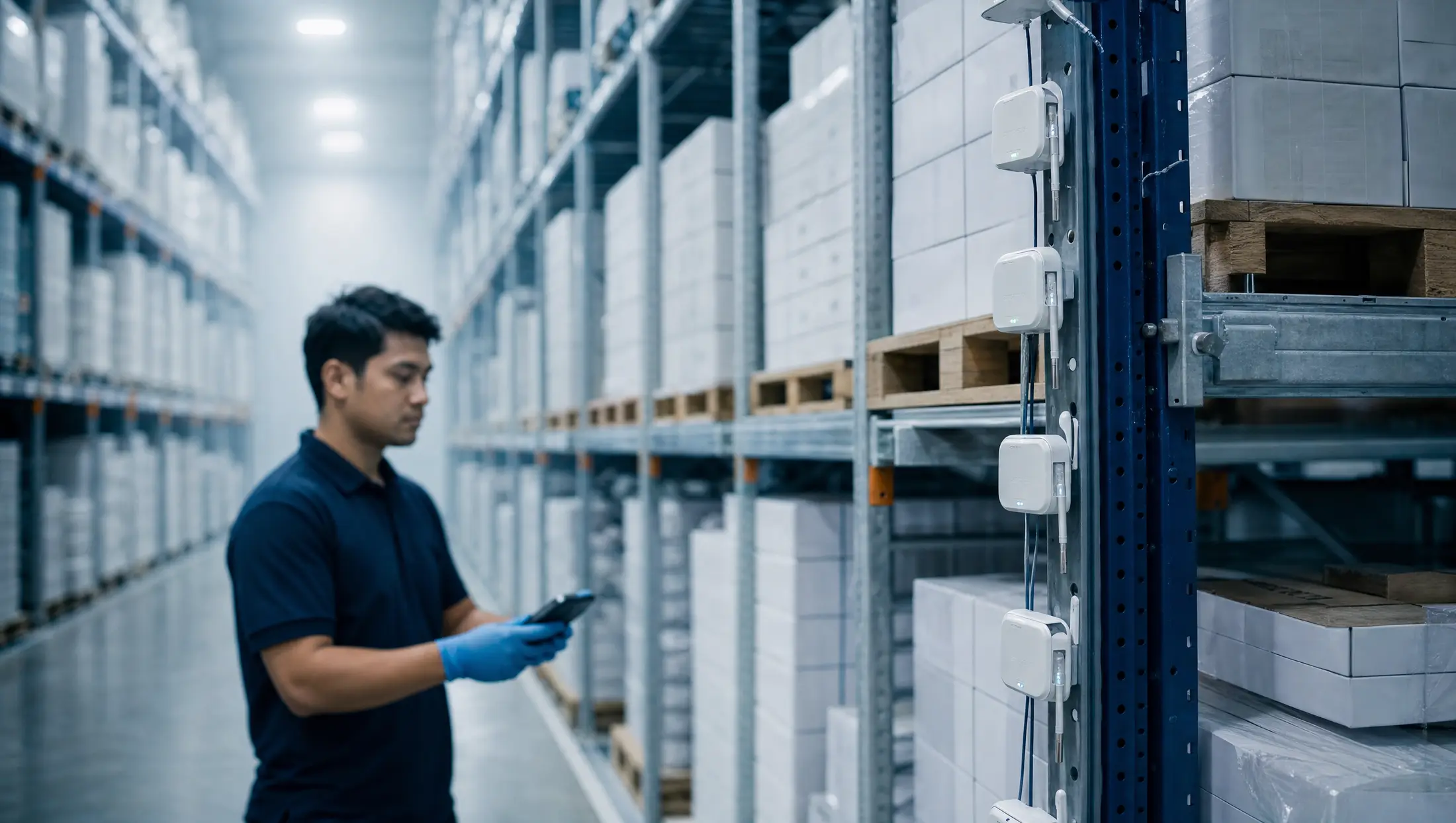
Prove every corner holds the line.
Documented, audit-ready temperature mapping for warehouses, cold rooms and chambers, qualified to WHO TRS 961 Annex 9, HSA GDP and GMP protocol, with data loggers carrying SAC-SINGLAS-accredited traceability.
Accredited to ISO/IEC 17025 under SAC-SINGLAS. The study itself is written to the other standards above, not accredited against them.
Tell us the space. We'll return a plan and a price.
Send the space you need qualified: type, approximate size and target temperature band. We recommend the sensor count and protocol, then send a clear, itemised quote, usually within one business day.
Calibration proves one instrument. Mapping proves the whole room.
Temperature mapping profiles a warehouse, cold room or chamber with a grid of calibrated data loggers, recorded over a representative period. It reveals the warmest and coldest positions, and how they drift over time.
That is what qualifies a space for its intended use, and what cold-chain, HSA GDP and GMP audits actually ask for. It is different from calibrating a single instrument: mapping qualifies the environment.
The honest line matters. The mapping study is a documented service, not an accredited test. What is accredited is the traceability of the loggers: every sensor is calibrated with SAC-SINGLAS-accredited traceability under schedule LA-2023-0845-C, then the study is run to recognised protocol.
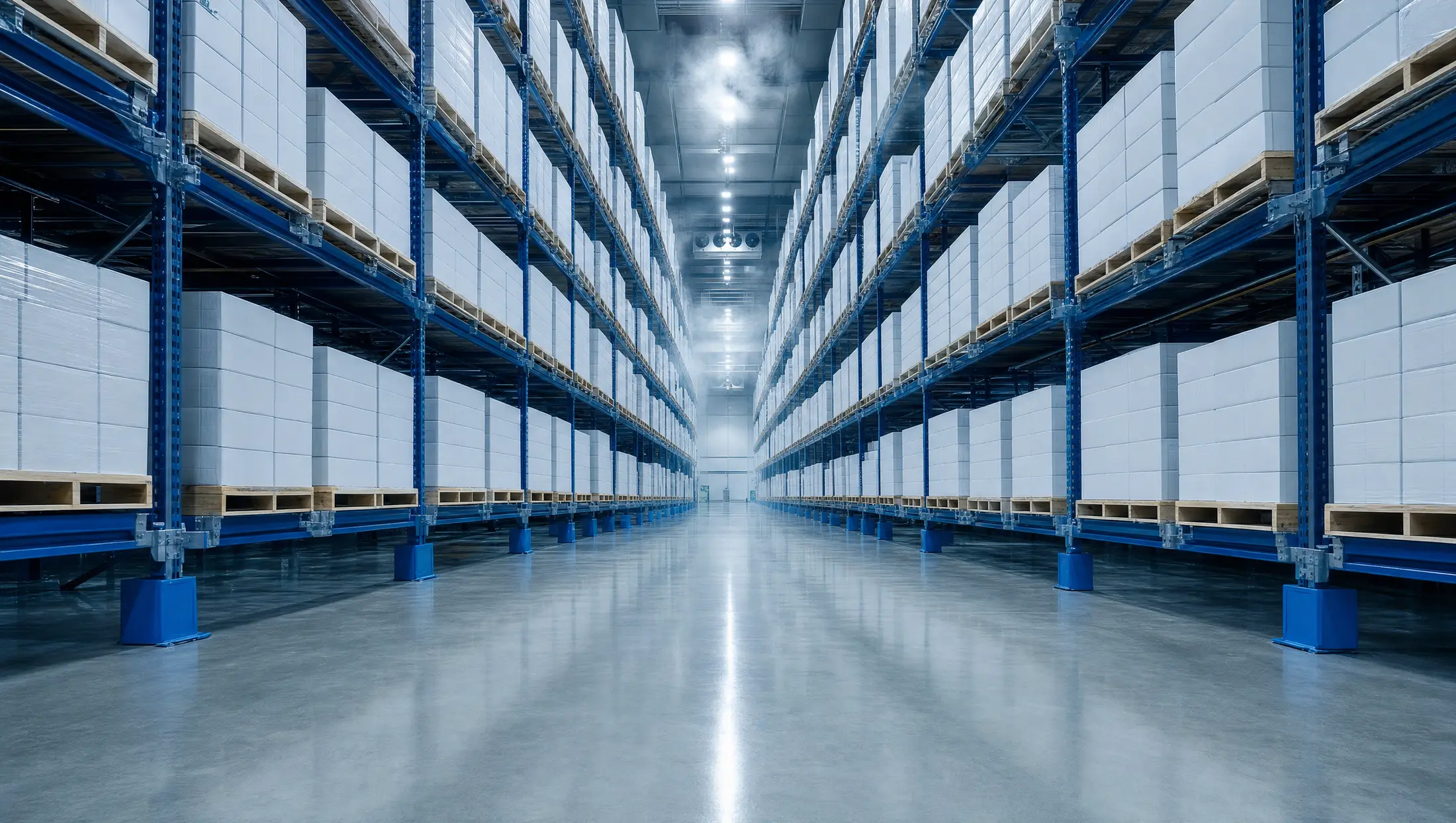
Readings near your limits come back clearly pass, or clearly fail.
Every logger we deploy is calibrated under our SAC-SINGLAS accreditation with a stated uncertainty. That is the difference between a study an auditor accepts and one they question.
Every controlled space, one traceable envelope.
From deep-freeze cold rooms to high-temperature ovens, all within our loggers' accredited traceability of −80 °C to +1000 °C.
Storing moisture-sensitive goods in Singapore's humidity? Add temperature & humidity mapping to profile both parameters together.
A fixed scope, before you approve a thing.
So you know exactly what the quote buys.
Ranges reflect Unitest's accredited scope under LA-2023-0845-C. The mapping study is a documented service written to the standards above, not an accredited test.
Six steps, protocol first.
Survey & protocol
We assess the space and agree the protocol: sensor count and grid placement, logging duration, the load and door conditions to capture, and the acceptance criteria.
Sensor placement
Calibrated loggers are positioned in a three-dimensional grid, including likely hot and cold spots: near doors, ceilings, floors, cooling units and dead zones.
Logging
Loggers record continuously over a representative period, capturing normal operation and, where relevant, worst-case conditions.
Analysis
We analyse the full dataset, identify the warmest and coldest positions and the variation over time, and compare every logger against your criteria.
Report
You receive a documented report: sensor layout, raw and summarised data, a pass/fail assessment, and the calibration traceability of every logger.
Recommendations
Where a zone falls outside specification, we flag it and recommend corrective actions, then re-verify after the fix if you need us to.
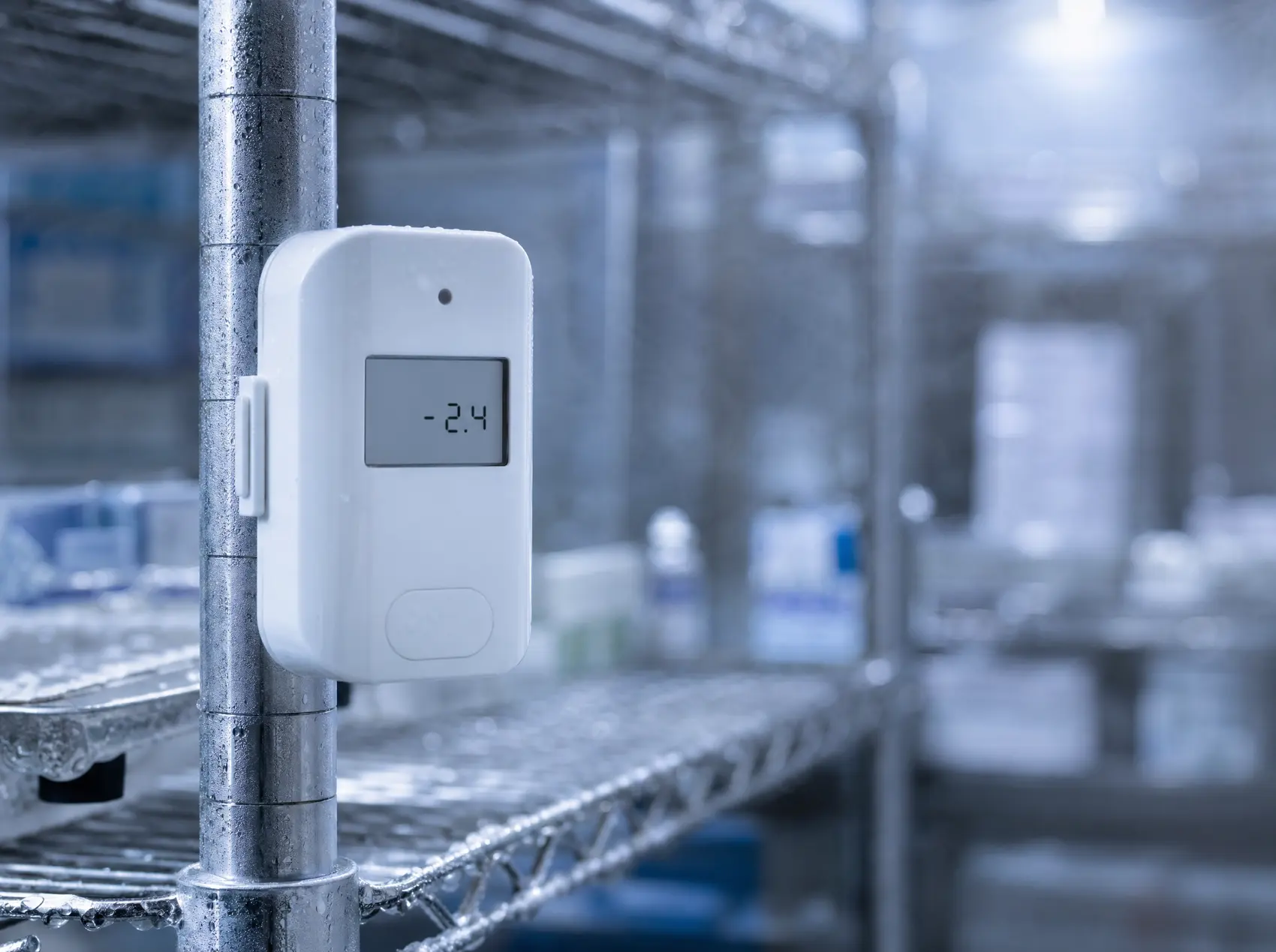
If you have to stand behind the result in an audit, start here.
Send us the space you need qualified and we'll return a documented, audit-ready quote.
The honest answers.
Is your temperature mapping SAC-SINGLAS accredited?
The mapping study is a documented service, not an accredited test. What is accredited is the traceability of the measurement chain: every data logger we deploy is calibrated with SAC-SINGLAS-accredited traceability under schedule LA-2023-0845-C, and the study is executed to WHO TRS 961 Annex 9, HSA GDP and GMP protocol.
How much does temperature mapping cost?
Pricing is quote-based, driven by the size of your space, the number of sensors and the protocol duration. Send us your space details and we'll return a clear, itemised quote, typically within a short turnaround.
How long does a study take?
Logging usually runs over a representative period. Per WHO guidance, that is typically 24 to 72 hours for a cold room and around 7 days for an ambient warehouse. We confirm the exact duration and sensor count when we agree the protocol.
How many sensors do I need?
It depends on the volume, layout and risk profile of the space. As typical guidance, a small chamber uses around 9 loggers, a walk-in cold room 9 to 15, and a large warehouse from about 20 upward. We agree the exact number during the protocol stage.
Can you do it on-site? Where is your lab?
Yes, mapping is performed on-site at your facility, islandwide. Our laboratory is at Tradehub 21, 18 Boon Lay Way, Singapore.